Japan to Test Deep-Sea Rare Earth Mining in Landmark Trials
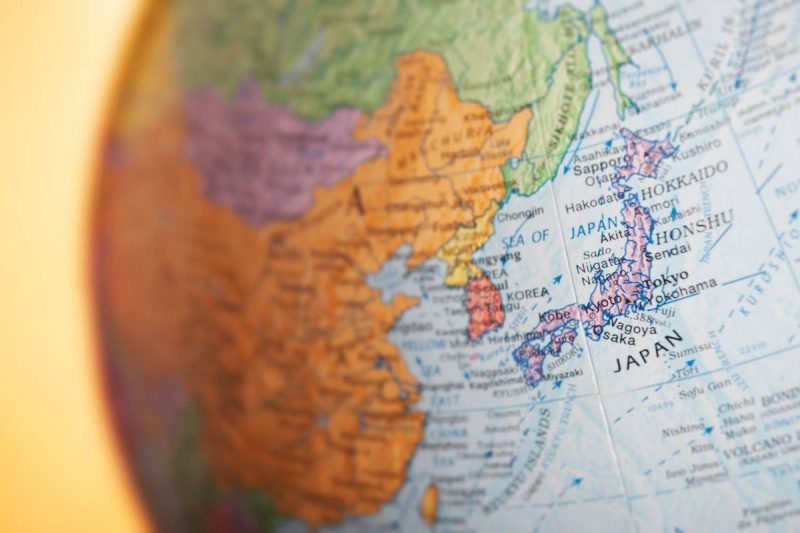
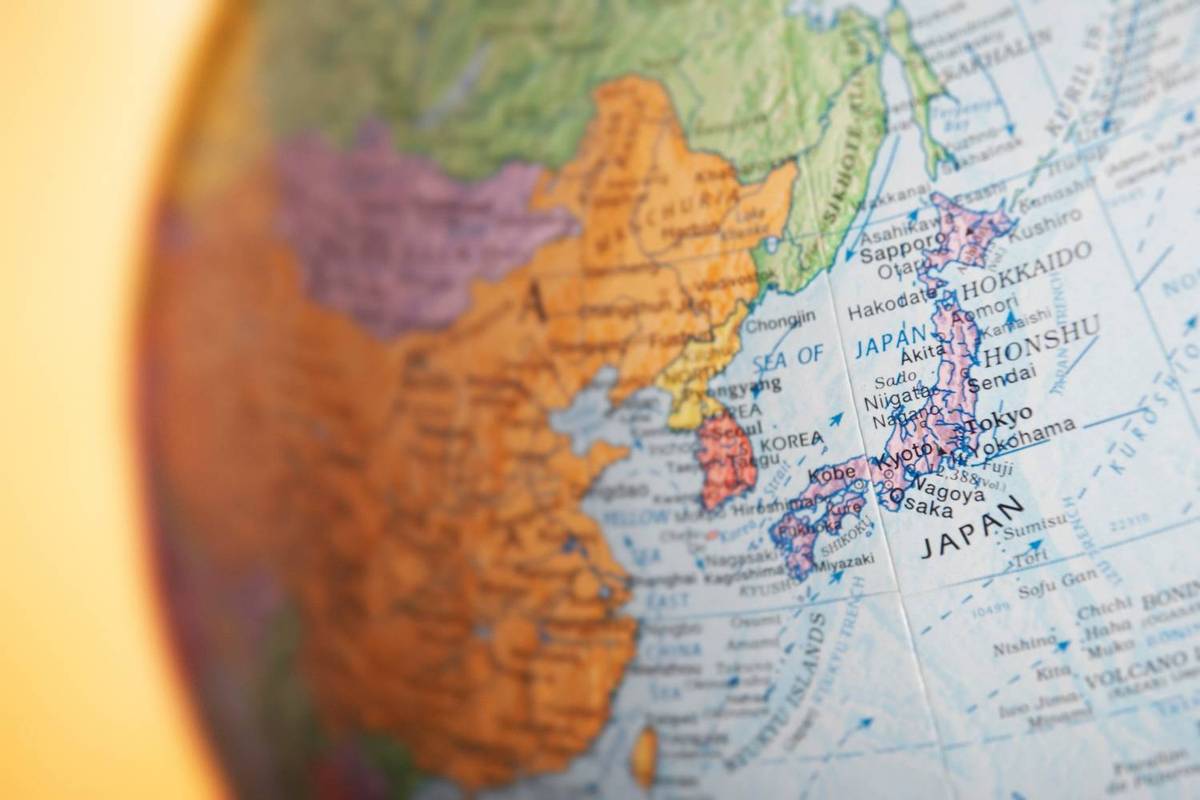
Japan will begin testing deep-sea mining for rare earth elements this month, moving into uncharted territory as supply security concerns intensify amid China’s tightening grip on critical minerals.
The government-backed trial, scheduled to run from January 11 to February 14, will take place in waters around Minamitori Island, roughly 1,900 kilometers southeast of Tokyo.
The test is designed to evaluate equipment capable of retrieving up to 350 metric tons of sediment per day while simultaneously monitoring environmental impacts both on the seabed and aboard the vessel.
According to a December Reuters report, Japanese officials say a larger-scale trial could follow next year if the initial phase proves successful.
Tokyo’s push into deep-sea mining comes as concerns grow over its exposure to Chinese export controls. China dominates the rare earth supply chain, accounting for about 70 percent of global production and more than 90 percent of refining capacity, according to Japanese government estimates.
Despite years of diversification efforts, Japan still sources around 60 percent of its rare-earth imports from China and remains almost entirely dependent on Beijing for certain heavy rare earths.
Those vulnerabilities have become more acute as China signals a tougher stance on exports.
Earlier this week, Beijing announced restrictions on the overseas sale of so-called “dual-use” items with potential military applications, a category analysts say could be interpreted broadly enough to encompass some rare earth materials.
The announcement revived memories of 2010, when China quietly halted rare-earth shipments to Japan during a territorial dispute, disrupting manufacturing and forcing Tokyo to reassess its supply risks.
Japanese government estimates suggest the economic fallout from another disruption could be severe. A three-month interruption in rare-earth supplies could cost domestic companies more than US$4 billion, while a year-long halt could shave nearly 0.5 percent off annual GDP.
Japan is also exploring potential cooperation with the US in the waters around Minamitori Island as part of a broader effort to build more resilient supply chains for rare earths and other critical minerals.
The two countries have already committed last year to collaborate on mining, processing, and supply chain development.
Beyond the current trial, Japan is also laying plans to build a dedicated processing facility on Minamitorishima by 2027 as part of its Strategic Innovation Promotion Program (SIP).
The facility would handle mud recovered from the seabed and form part of an end-to-end domestic supply chain for marine-based rare earths. A full-scale demonstration is scheduled for February 2027 to test the facility’s ability to recover up to 350 metric tons of rare-earth mud per day.
“We will ultimately demonstrate the entire process of extracting rare-earth elements from mud and then assess its economic viability,” Shoichi Ishii, program director at the Strategic Innovation Promotion Program, told Nikkei Asia.
Marine scientists and environmental groups, however, continue to warn that deep-sea mining could cause long-lasting damage to ecosystems that remain poorly understood.
Despite those calls, a growing number of countries are pressing ahead with exploratory projects as competition for critical minerals intensifies.
Securities Disclosure: I, Giann Liguid, hold no direct investment interest in any company mentioned in this article.