Teck VP Highlights China’s Major Role in Evolving Copper Markets

As GLP-1 Brands Go Prime Time, Regulators Flag Growing Illicit Market
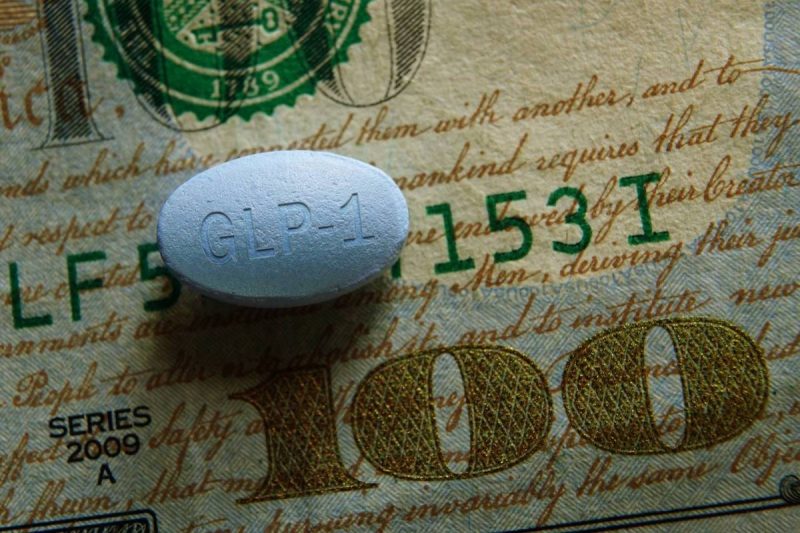

At Super Bowl LX, companies behind blockbuster GLP-1 medications spent tens of millions of dollars to court a mass audience.
But as brand-name makers and telehealth platforms race to normalize and expand access, regulators on both sides are warning of a parallel surge in counterfeit, compounded, and black-market versions.
A s much as 12 percent of American adults are now using GLP-1 medications, with US patients spending US$40 billion on appetite-suppressing drugs in 2024. That figure is projected to triple by 2030, according to recent data by Grand View Research.
This year’s Super Bowl advertising lineup reflected that demand. Eli Lilly and Company (NYSE:LLY), maker of Zepbound and Mounjaro, ran a pre-game spot. Novo Nordisk (NYSE:NVO), which produces Wegovy and Ozempic, aired its first-ever Super Bowl commercial during the game itself, featuring DJ Khaled, John C. Reilly, and other celebrities.
Telehealth provider Ro enlisted Serena Williams for an in-game campaign, while Hims & Hers returned for a second consecutive year with a provocative message focused on healthcare inequality.
The ads signal that GLP-1 drugs—originally developed to treat type 2 diabetes—have become household names. These medications mimic a hormone that regulates blood sugar, appetite and digestion. Beyond weight loss, they are increasingly studied for potential benefits in heart disease and other conditions.
Regulators warn of a growing ‘black market’
But as demand accelerates, so too has the gray and black market.
In the US, the Food and Drug Administration (FDA) has warned that some patients are turning to unapproved versions of GLP-1 drugs, including semaglutide and tirzepatide, for weight loss.
These versions may be compounded by pharmacies when approved drugs are unavailable, but compounded drugs are not reviewed by the FDA for safety, effectiveness, or quality before being marketed.
The agency has also raised concerns about improper storage during shipping, particularly for injectable versions that require refrigeration. It has also flagged fraudulent compounded products bearing false labels or the names of pharmacies that did not produce them.
The FDA has established an import alert to help block GLP-1 active pharmaceutical ingredients with potential quality concerns from entering the US supply chain, while emphasizing that compounded drugs should only be used when a patient’s medical needs cannot be met by an FDA-approved alternative.
Researchers found that one in seven users were taking drugs not licensed for weight loss, often purchased privately.
The situation is also similar in the UK. More than 6,500 counterfeit or unlicensed weight-loss injections have been seized over the past three years, according to new data from the Medicines and Healthcare products Regulatory Agency (MHRA) as reported by The Independent.
Seizures rose sharply from 407 in 2023 to 5,851 in 2025, with many discovered through inland investigations rather than at the border, suggesting a growing domestic black market.
Andy Morling, deputy director of enforcement at the MHRA, said the agency removed nearly 20 million illegally traded medicines from circulation last year. “Each and every one of those products was potentially dangerous to the public,” he said.
Online providers have warned that demand is outpacing regulated access. Sokratis Papafloratos, founder of Numan, told a London Assembly committee, “ In terms of illicit access, I think we really underestimate the problem and misunderstand it.”
Securities Disclosure: I, Giann Liguid, hold no direct investment interest in any company mentioned in this article.
This post appeared first on investingnews.com