UK Enters Commercial Lithium Production with Geothermal Plant Launch
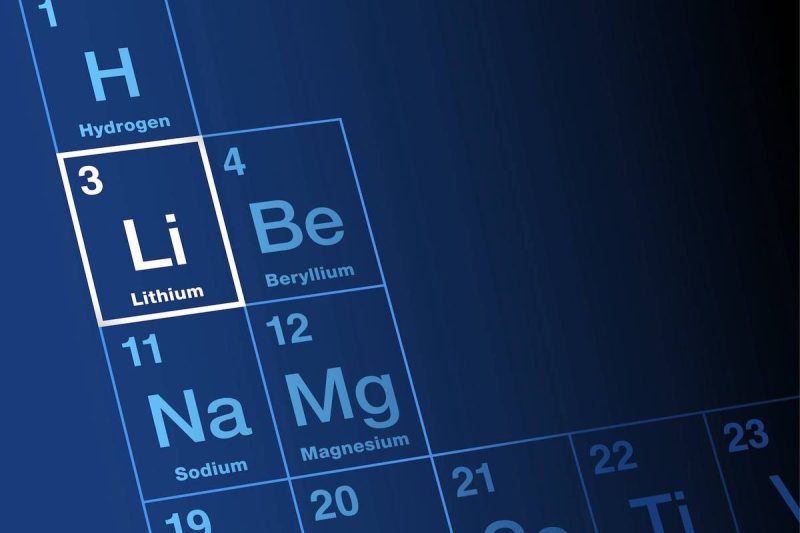

The UK has entered commercial lithium production for the first time as Geothermal Engineering Ltd (GEL) began operations in its plant at Cornwall, anchoring the government’s hopes of a domestic battery metals supply chain.
The Redruth-based facility marks the country’s first commercial-scale output of lithium, a metal essential for electric vehicle batteries and energy storage systems.
Initial production is set at 100 tons per year, with plans to expand to 1,500 tons annually within several years and to more than 18,000 tons over the next decade. That long-term expansion would require an estimated £640 million, or around US$860 million, in additional investment.
Beijing’s use of export restrictions on critical materials last year further sharpened the country’s concerns about supply vulnerability. China currently controls about 60 percent of global lithium processing capacity and dominates much of the downstream battery supply chain.
The UK government has set a target to produce 50,000 tons of lithium domestically by 2035. Demand is expected to surge as electric vehicle adoption expands and grid-scale energy storage grows.
GEL’s project combines lithium extraction with geothermal energy production. The company has drilled nearly three miles underground into granite formations in Cornwall, circulating mineral-rich fluids that are both hot enough to generate electricity and contain dissolved lithium.
The geothermal plant, also switched on this week, will power the lithium extraction process. The excess electricity is also expected to generate enough electricity to supply up to 10,000 homes.
GEL founder Ryan Law said pairing lithium production with geothermal power is critical to cost control. “We can easily compete with what’s coming from China,” Law told the Financial Times.
The project has cost approximately US$67.5 million so far, funded through private investors and US$20.25 million from the European Development Fund. The UK government also provided a US$2.43 million grant, covering half the cost of the initial lithium extraction system.
Cornwall has emerged as the center of Britain’s lithium ambitions. Several companies are working to bring projects online, though timelines have shifted amid volatile lithium prices.
For instance, Cornish Lithium, which has been producing small quantities of lithium hydroxide samples for potential customers since October and is targeting a commercial plant by 2029, had reduced its 2030 production target from 25,000 tons annually to 20,000 tons.
Meanwhile, British refiner Green Lithium has also pushed back the opening of its Teesside commercial facility to around 2029, adopting what co-founder Guy Hatcher called a “more phased development strategy.”
Securities Disclosure: I, Giann Liguid, hold no direct investment interest in any company mentioned in this article.