China’s Rare Earth Export Ban Hits Japanese Defense Sector
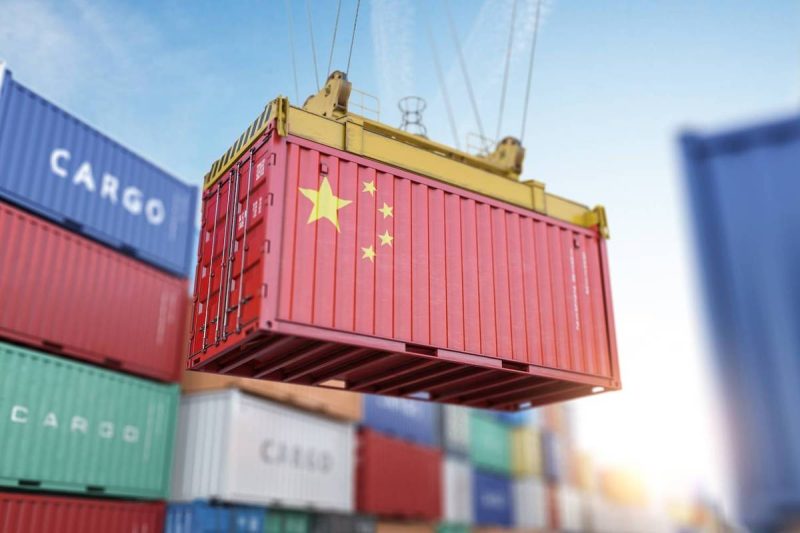

China has moved to freeze exports of rare earth magnets and other critical materials to dozens of major Japanese companies, with the measures to take effect immediately.
China’s commerce ministry said Tuesday (February 24) it would suspend shipments of so-called “dual-use” goods—materials with both civilian and military applications—to 20 Japanese companies while placing another 20 groups on a new “watch list,” according to media reports.
Rare earth magnets are essential components in automobiles, electronics and defense systems, and global manufacturers remain heavily reliant on Chinese supply.
The immediate export freeze applies to companies linked to defense-related work at Mitsubishi Heavy Industries, Kawasaki Heavy, IHI, and NEC.
Meanwhile, firms placed on the watch list will face slower shipments and must pledge “that the dual-use items will not be used for any purpose that contributes to enhancing Japan’s military capabilities.”
Items covered include critical minerals such as gallium, germanium, antimony and graphite, as well as rare earths, magnetic materials, and certain advanced manufacturing equipment.
The dispute traces back to remarks in November last year by Prime Minister Sanae Takaichi, who said a hypothetical Chinese invasion of Taiwan could pose an “existential threat” to Japan and suggested Tokyo could respond with armed force.
Beijing claims sovereignty over Taiwan and has warned it could use force if Taipei resists indefinitely.
The pressure also comes as Japan steps up efforts to reduce its dependence on China for rare earths. Earlier this month, Tokyo announced it had successfully retrieved mineral-rich seabed sediment from nearly 6,000 meters below the ocean near the remote island of Minamitorishima.
The material was recovered by the deep-sea drilling vessel Chikyu as part of a government-backed test program assessing the feasibility of mining rare-earth-bearing mud.
“It is a first step toward industrialization of domestically produced rare earth in Japan,” Takaichi said in a statement posted on X. “We will make efforts toward achieving resilient supply chains for rare earths and other critical minerals to avoid overdependence on a particular country.
China has used rare earth exports as leverage before.
In 2010, following a territorial dispute in the East China Sea, Beijing halted rare earth shipments to Japan, sending prices soaring and exposing Tokyo’s heavy reliance on Chinese supply.
The episode became a turning point for Japan’s resource strategy, accelerating efforts to diversify supply and directly supporting the rise of Australia’s Lynas Rare Earths (ASX:LYC,OTCQX:LYSDY), which has since grown into the largest rare earths producer outside China.
Securities Disclosure: I, Giann Liguid, hold no direct investment interest in any company mentioned in this article.